
SPARK Shares Its Approach to Urban Regeneration with IAC
In an interview with Interior Architecture of China (IAC) magazine, our Director, Yun Wai Wing (甄伟荣), discussed SPARK’s Regeneration projects, through how we approach historical preservation, climate resilience, and community vibrancy in highly compact Asian cities.
4 key takeaways shared:
1. the “urban stitcher” workflow
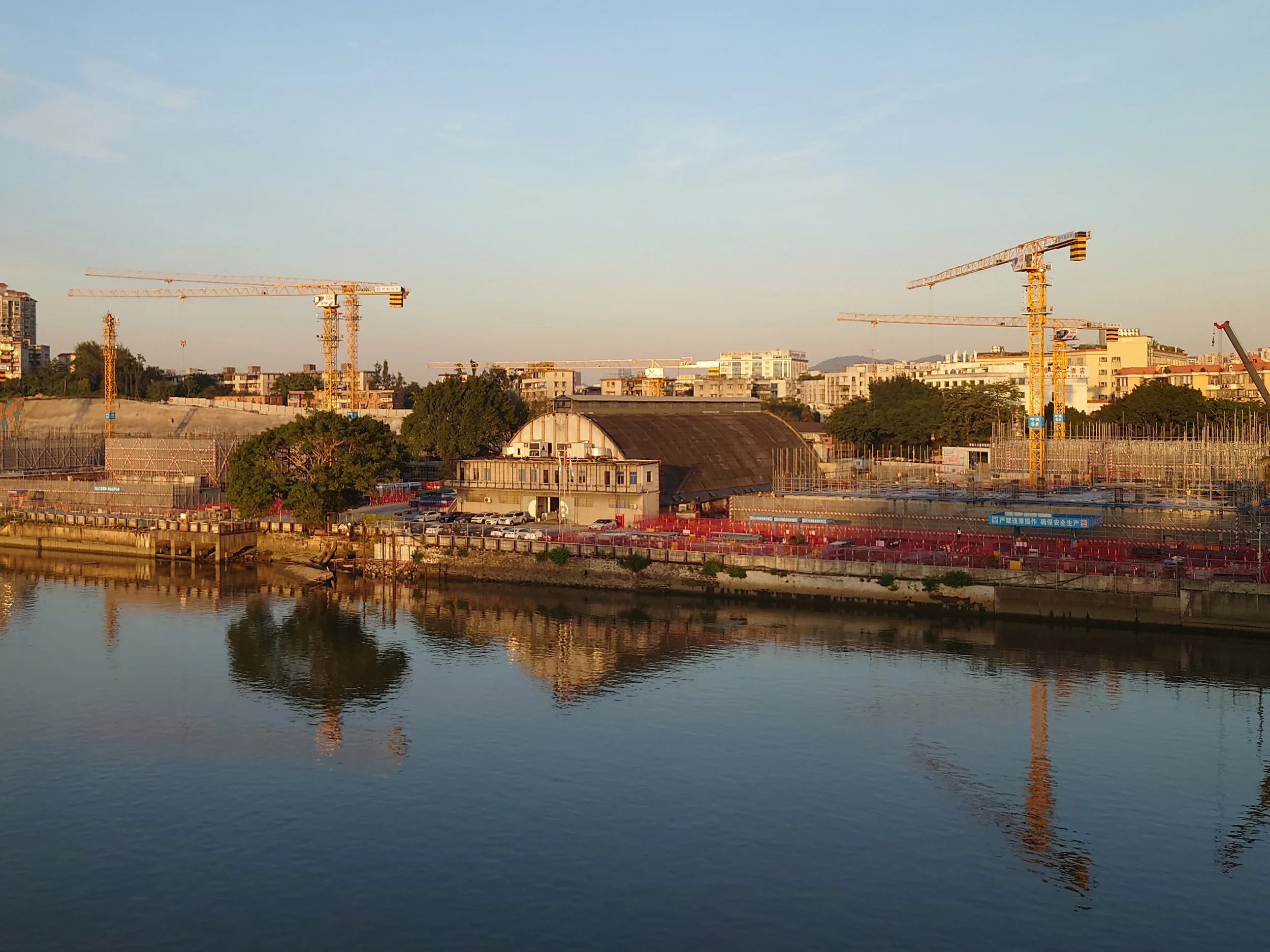
True regeneration looks beyond the standalone building. We evaluate local urban networks, historical contexts, microclimates, and daily community habits before drawing a single line.
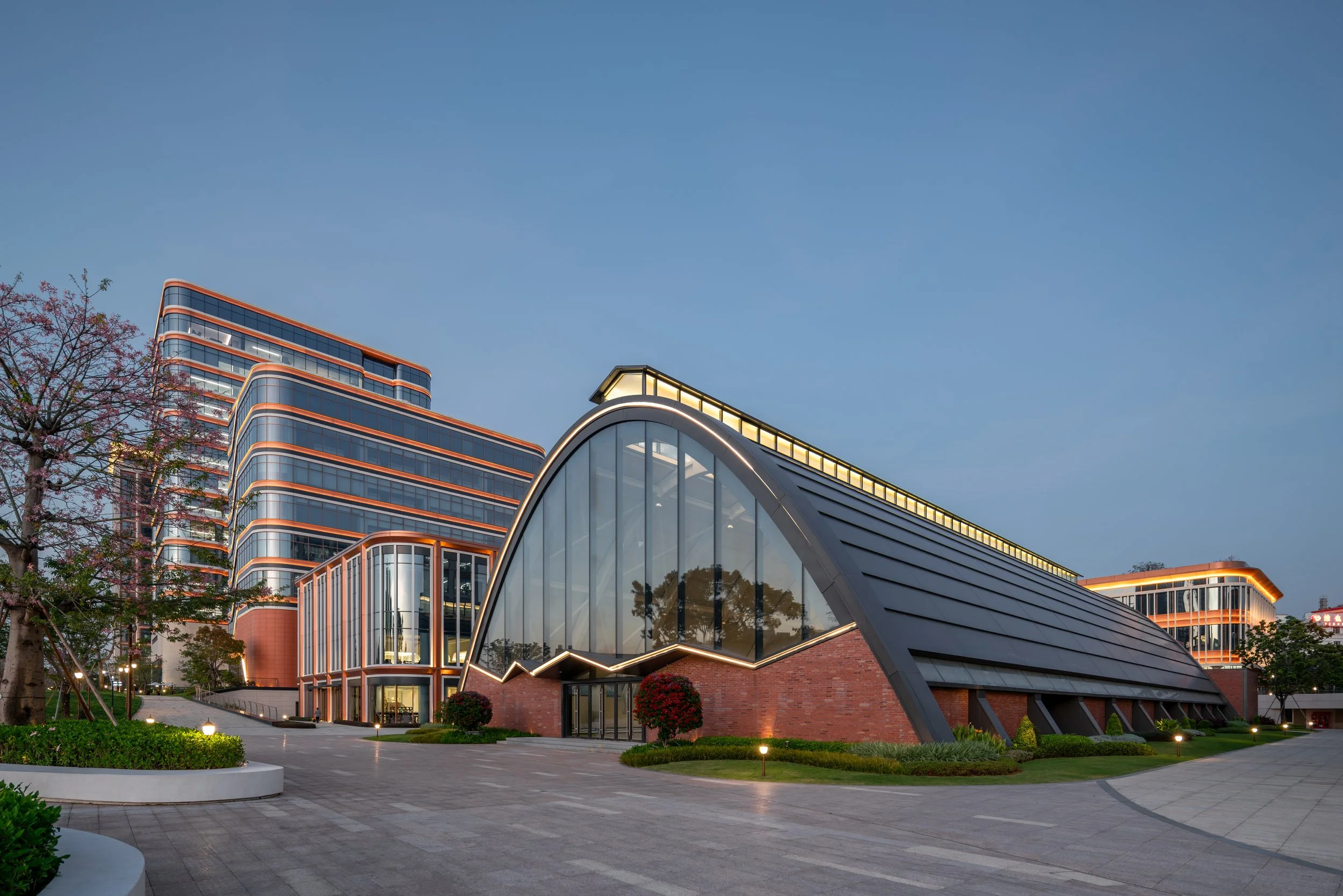
Huawei R&D Campus, Guangzhou: The Guangzhou Huaqiao Sugar Factory is reimagined as a flexible venue for exhibitions, gatherings, and corporate events, in the centre of the new Huawei R&D campus in Guangzhou, along the Pearl river.
We establish a clear "problem statement" and "constraint list" early on to ensure that design serves reality.
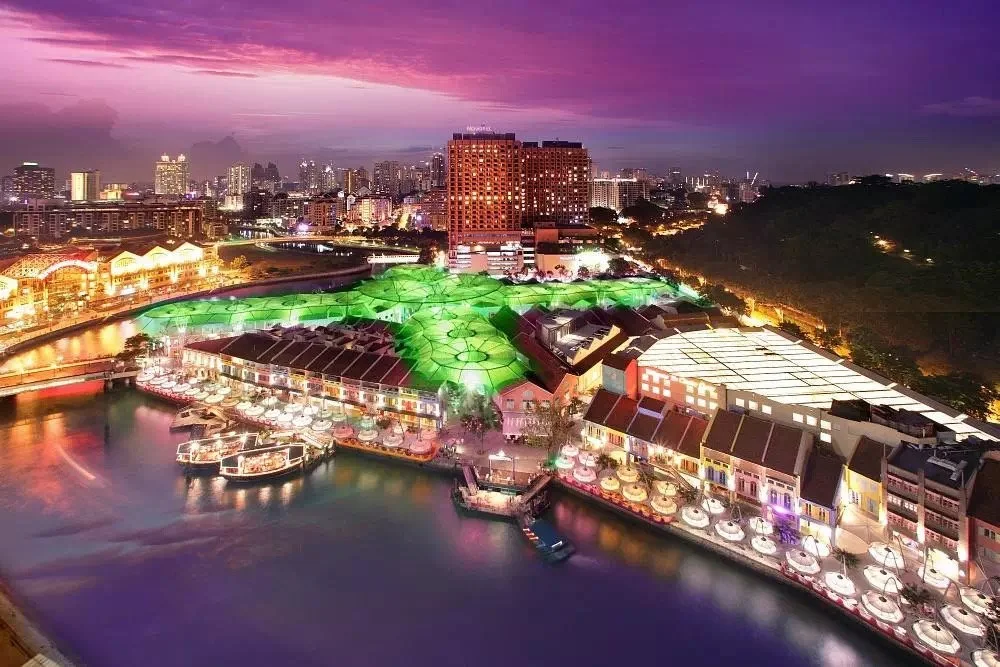
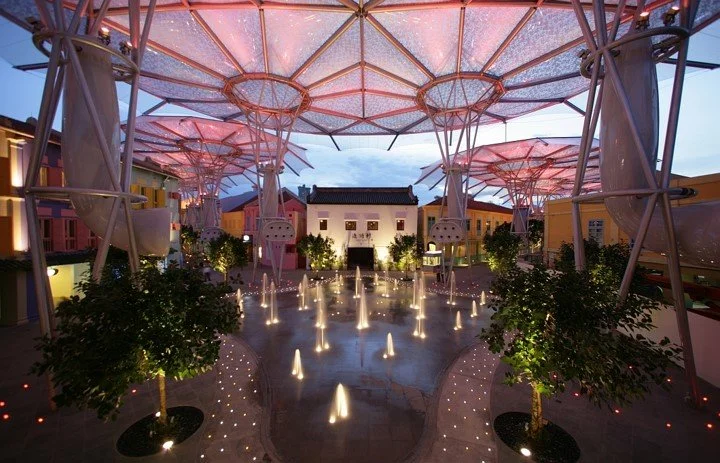
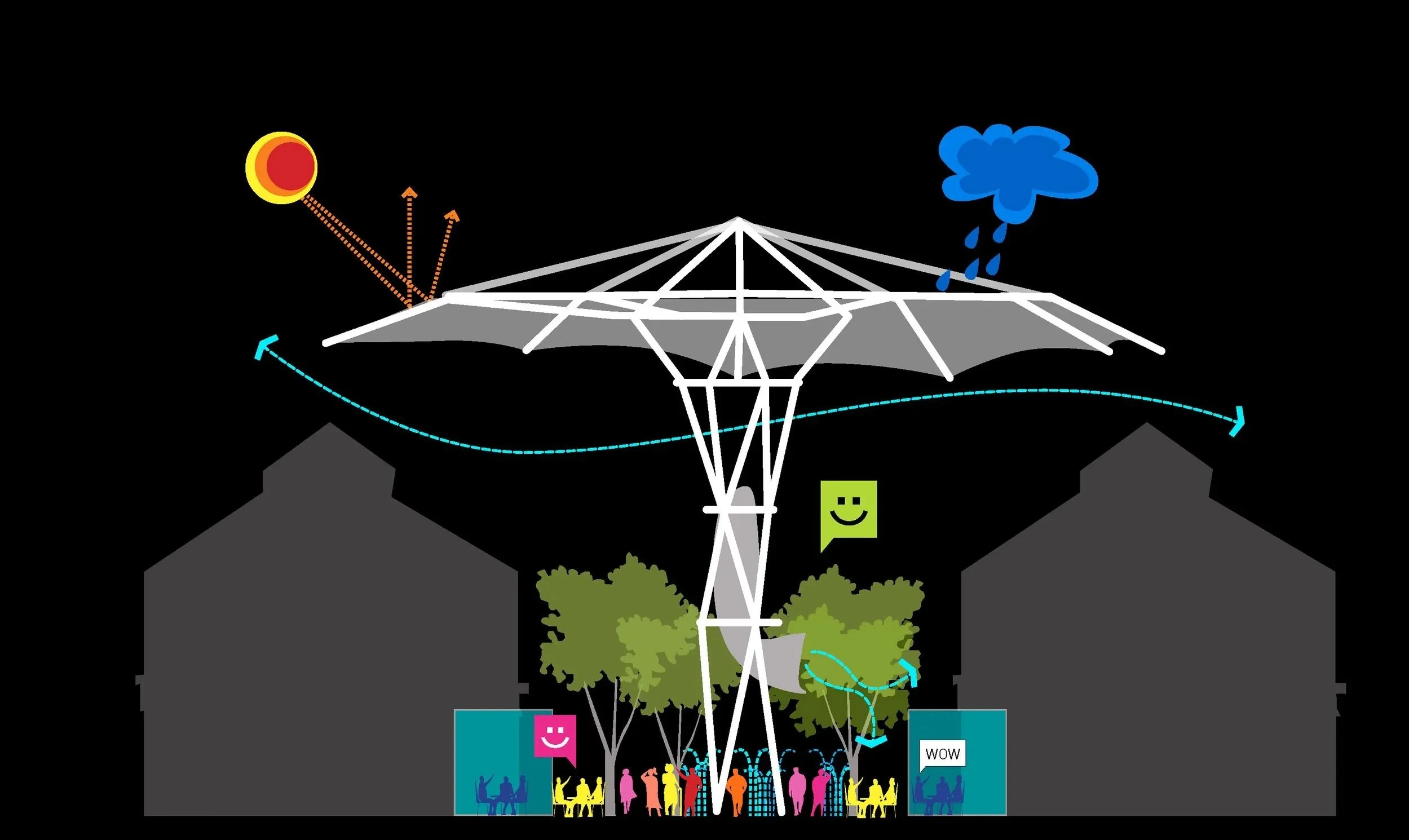
Clarke Quay, Singapore: A passive cooling system—combining ETFE canopies, circulation fans, and a central water fountain—reduces ambient heat by 5°C to optimise outdoor pedestrian comfort between Clarke Quay’s F&B and retail shophouses.
2. creating strong “visual anchors”
Fragments of old sites require a bold visual identity. By crafting high-impact visual anchors on building envelopes or public nodes, we trigger emotional resonance and loudly "announce" an area's rebirth.
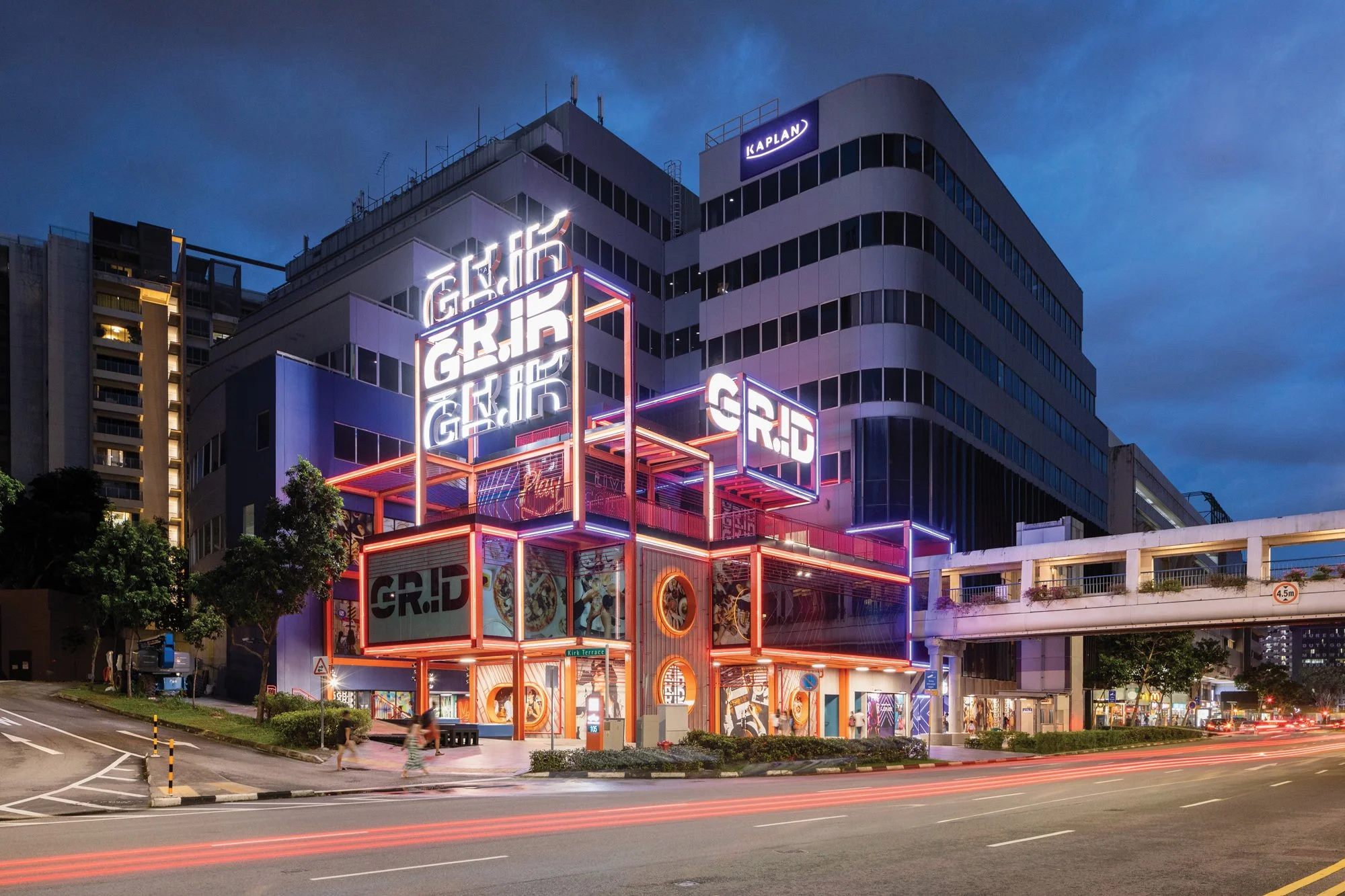
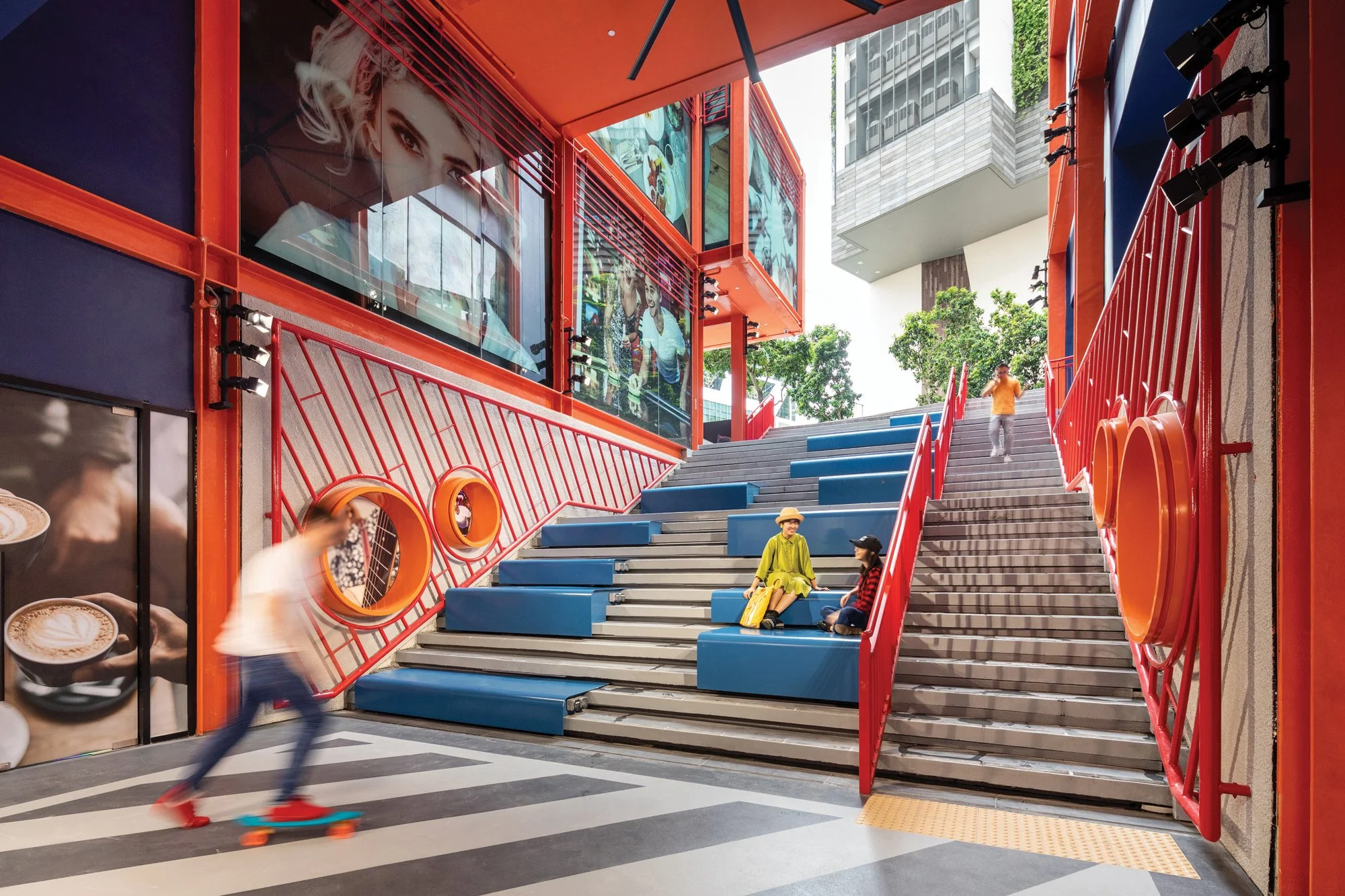
GRiD, Singapore: GRiD’s new extension activates the corner façade, bringing dining and retail directly outward to capture high foot traffic and street-junction visibility.
We design with aesthetic restraint and material durability to prevent spaces from falling into the trap of short-lived gimmicks.
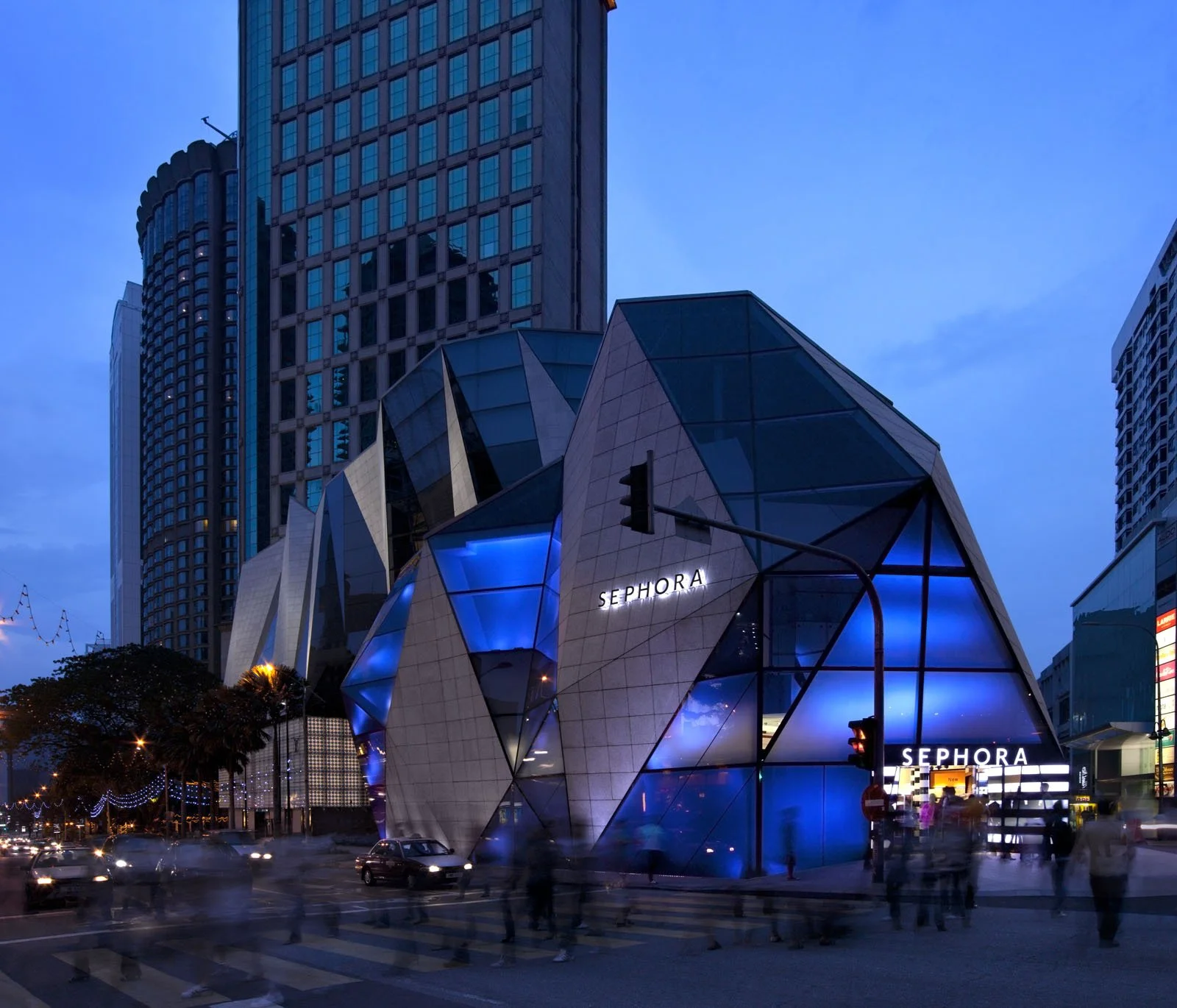
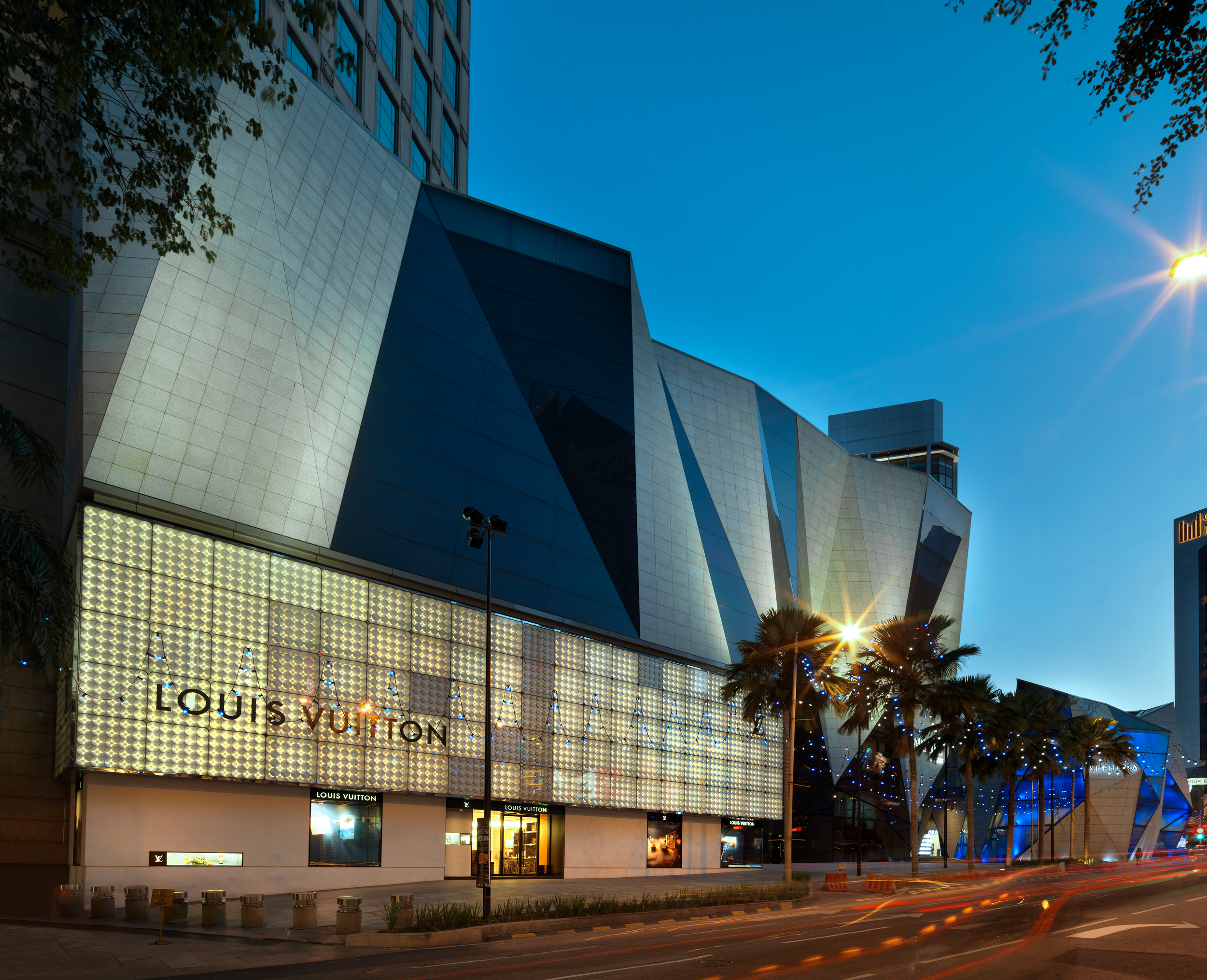
Starhill Galllery, Kuala Lumpur: A dynamic interplay of solid and transparent volumes completely transforms the street façade, establishing a contemporary, timeless identity that sets Starhill Gallery apart from the generic mall frontages nearby.
3. fighting climate change with “micro-wisdom”
In high-density environments, green architecture must be a living microclimate regulator.
Beyond large-scale standard implementations—like the solar roofs for the Taizhou Seafood Market or Sponge city infrastructure in Suzhou Qingtai International Industrial Design Village —SPARK also heavily invests in socially conscious R&D prototypes. From 3D-printed plastic waste beach huts to waste-to-energy biogas systems for rural areas, we believe in using down-to-earth design to solve real-world problems.

big arse toilet:
This portable toilet module uses a micro-CHP unit to convert human waste into biogas and electricity. The solution tackles open defecation while transforming local organic waste into free, reliable power for underserved rural Indian communities.
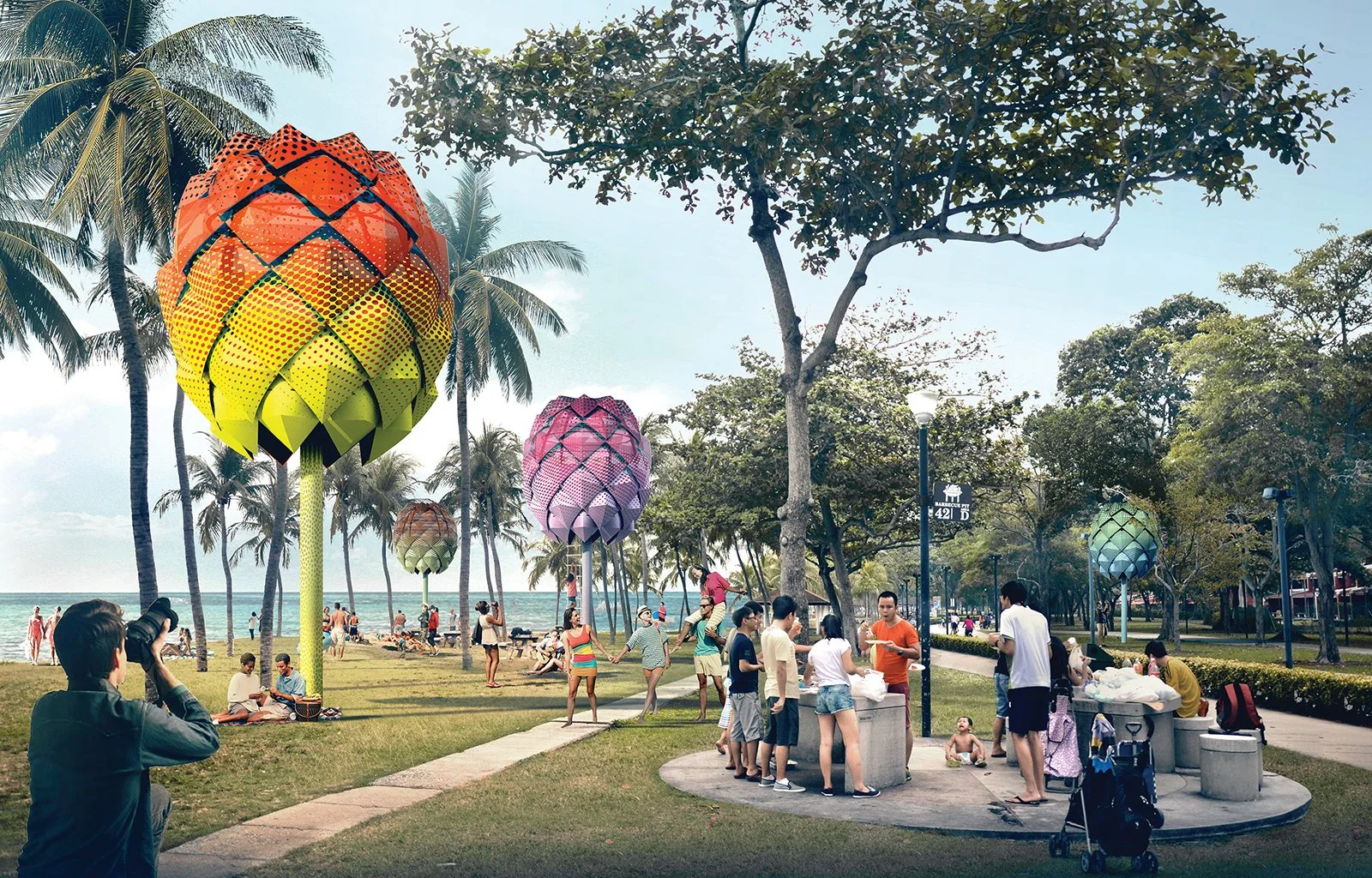
beach hut:
Tackling marine pollution through circular design, SPARK envisions transforming discarded ocean plastics into a series of striking coastal beach huts, along Singapore’s East Coast Park.
4. architects as “symphony conductors”
The future belongs to designers who act as strategic consultants rather than simple drafters.
Successful urban regeneration must be bottom-up, prioritising community livelihood, financial viability, and open cross-disciplinary collaboration. The modern architect must conduct the symphony of diverse stakeholder goals into a win-win reality.
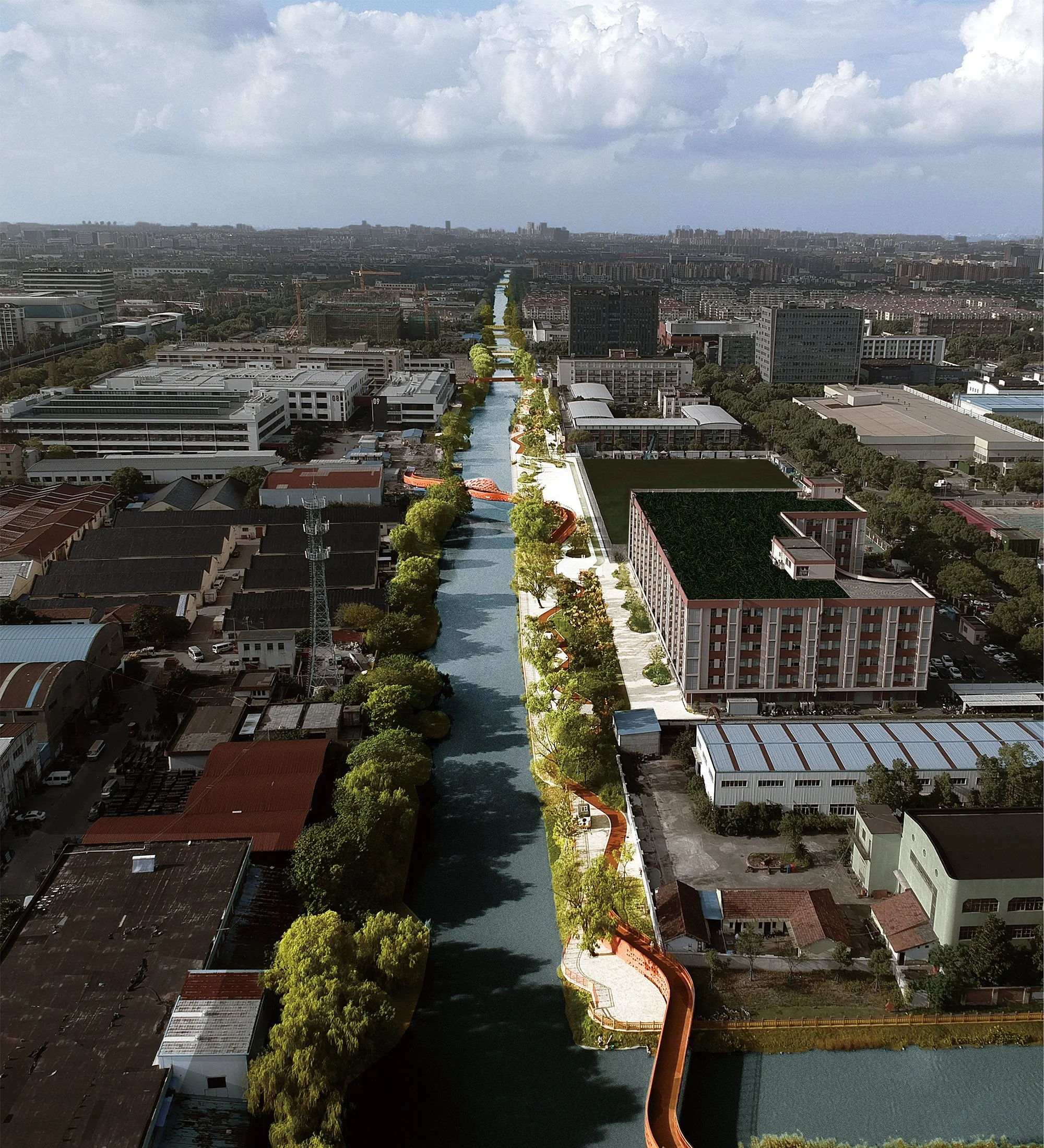
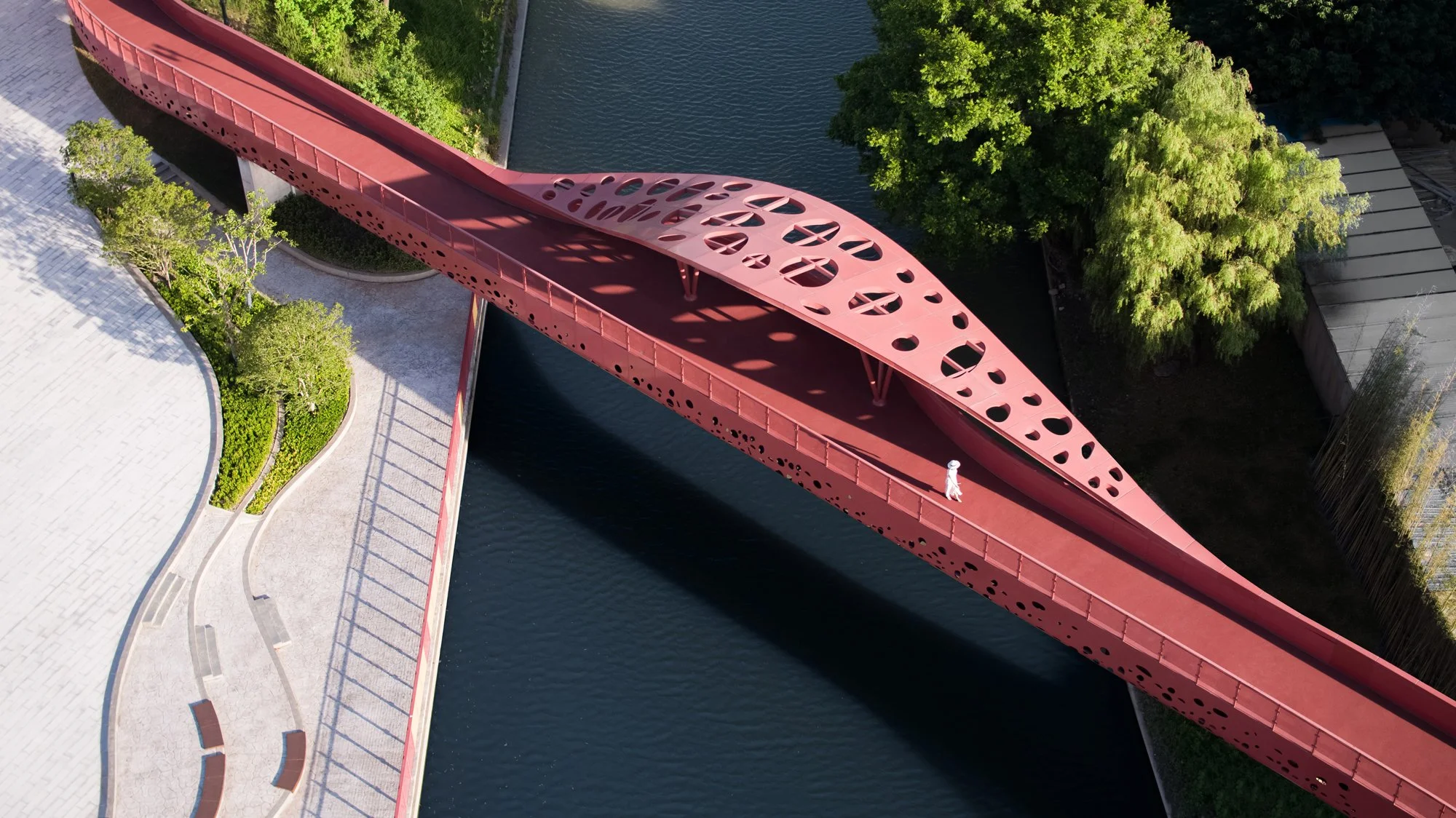
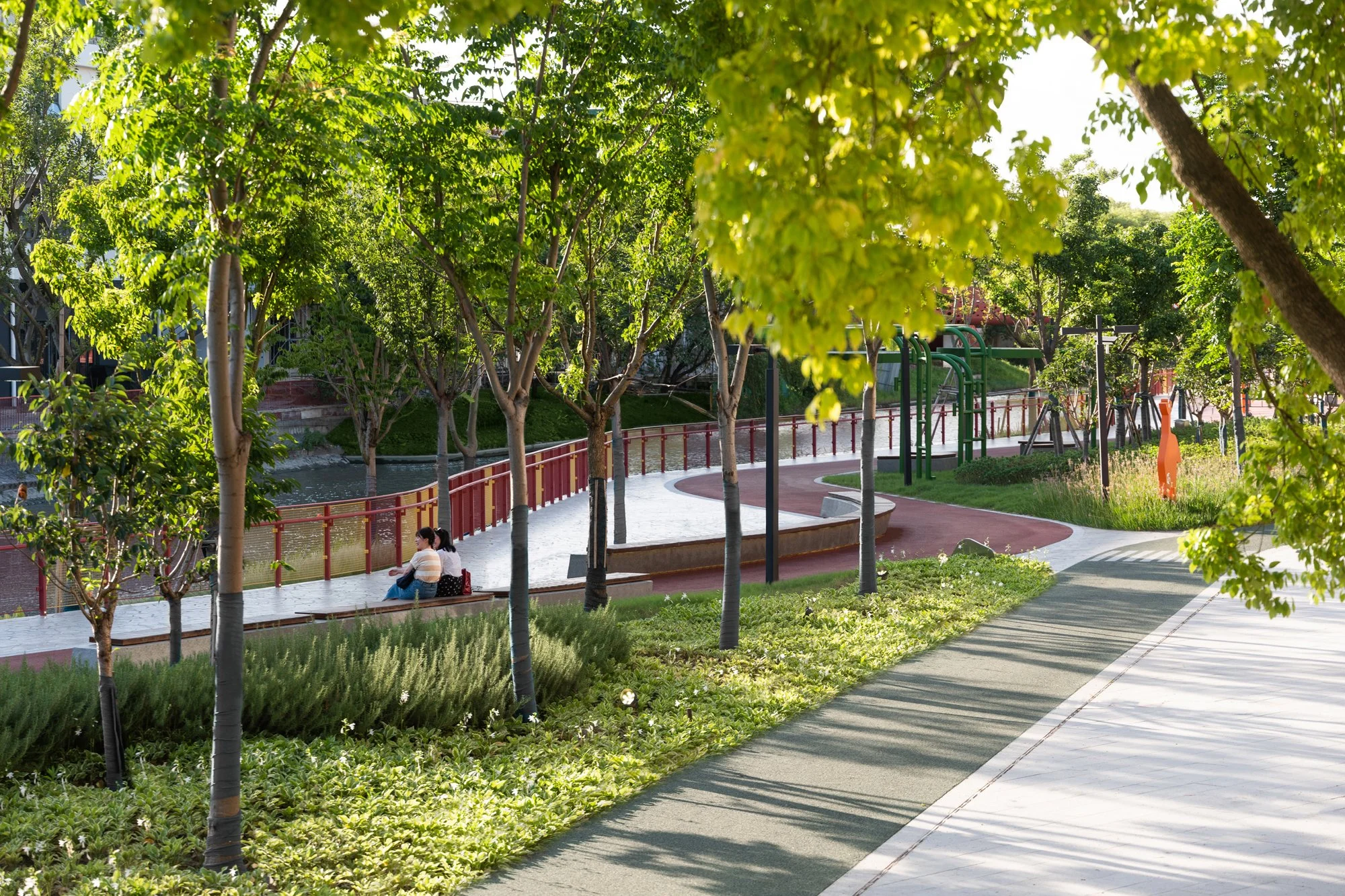
Minhang Cangyuan Riverfront regeneration: SPARK’s riverfront proposal balances ecological restoration with vibrant placemaking, connecting pedestrians, cyclists, and waterfront businesses. Through bespoke wayfinding and street furniture, the design tells a localised story that makes the river promenade friendly, intuitive, and accessible.
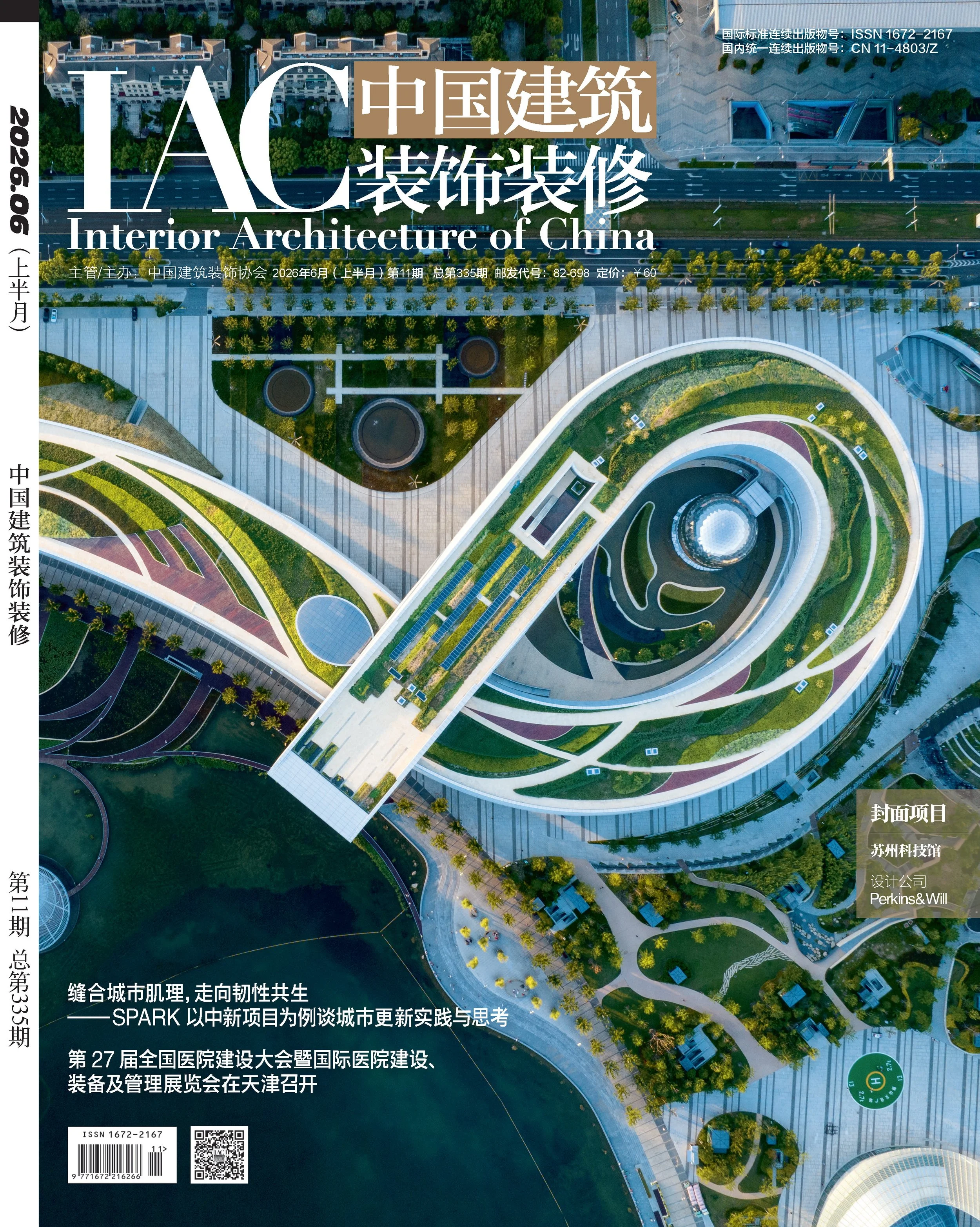
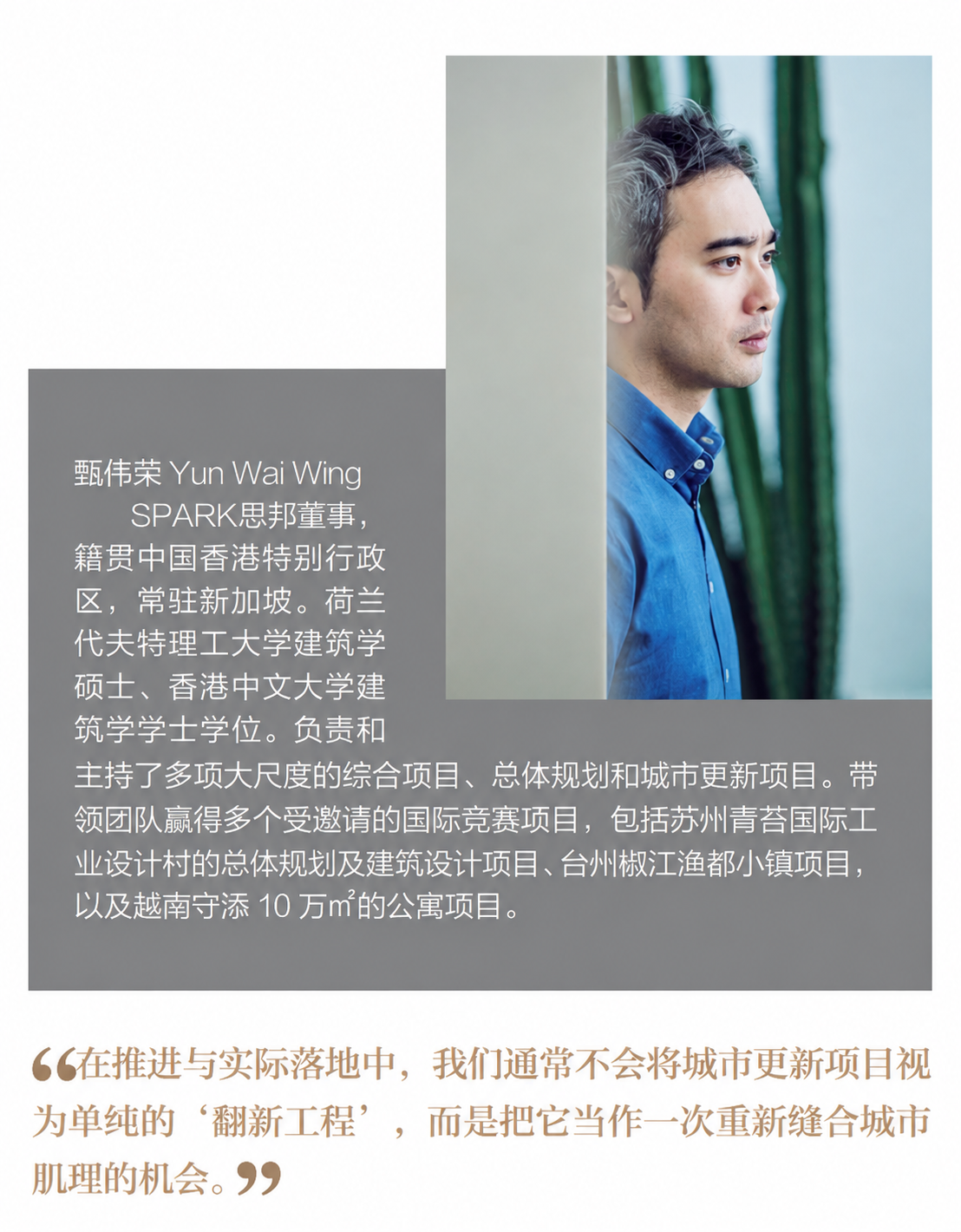
"During project execution and delivery, we rarely see urban regeneration as just a 'renovation project'; instead, we embrace it as a chance to re-stitch the urban fabric."
- Yun Wai Wing, SPARK Architects, Director